
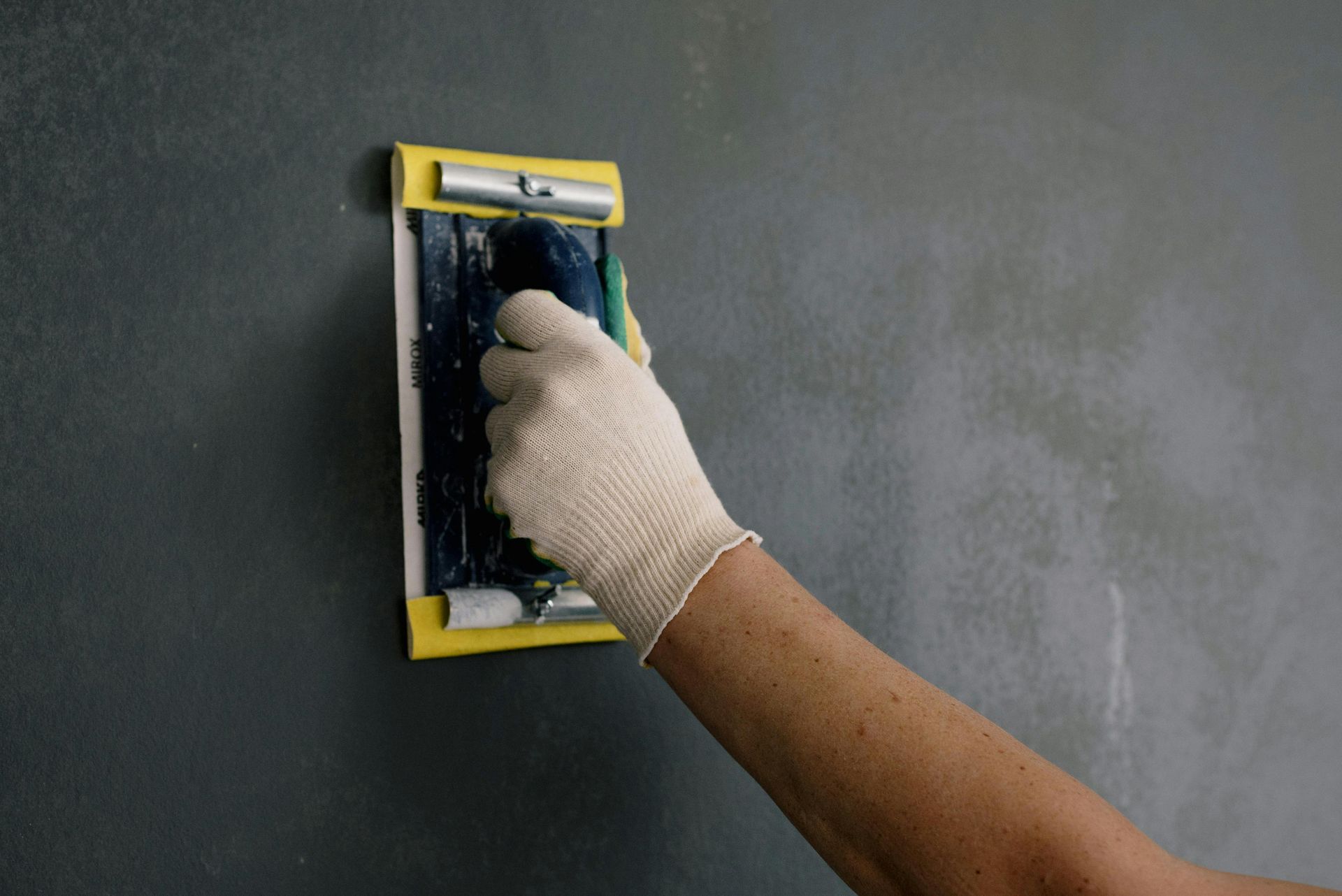
Plaster may look like a simple wall finish, but in construction, it’s far more than cosmetic. It impacts safety, durability, compliance, and long-term performance. One of the biggest mistakes property owners or developers can make is assuming that plaster designed for homes can work just as well in offices, hospitals, schools, or retail spaces. Here’s the truth: residential plaster isn’t built for commercial demands. Using it in the wrong environment can lead to serious problems ranging from costly repairs to safety violations. Let’s break down why you can’t (and shouldn’t) use residential plaster for commercial buildings.
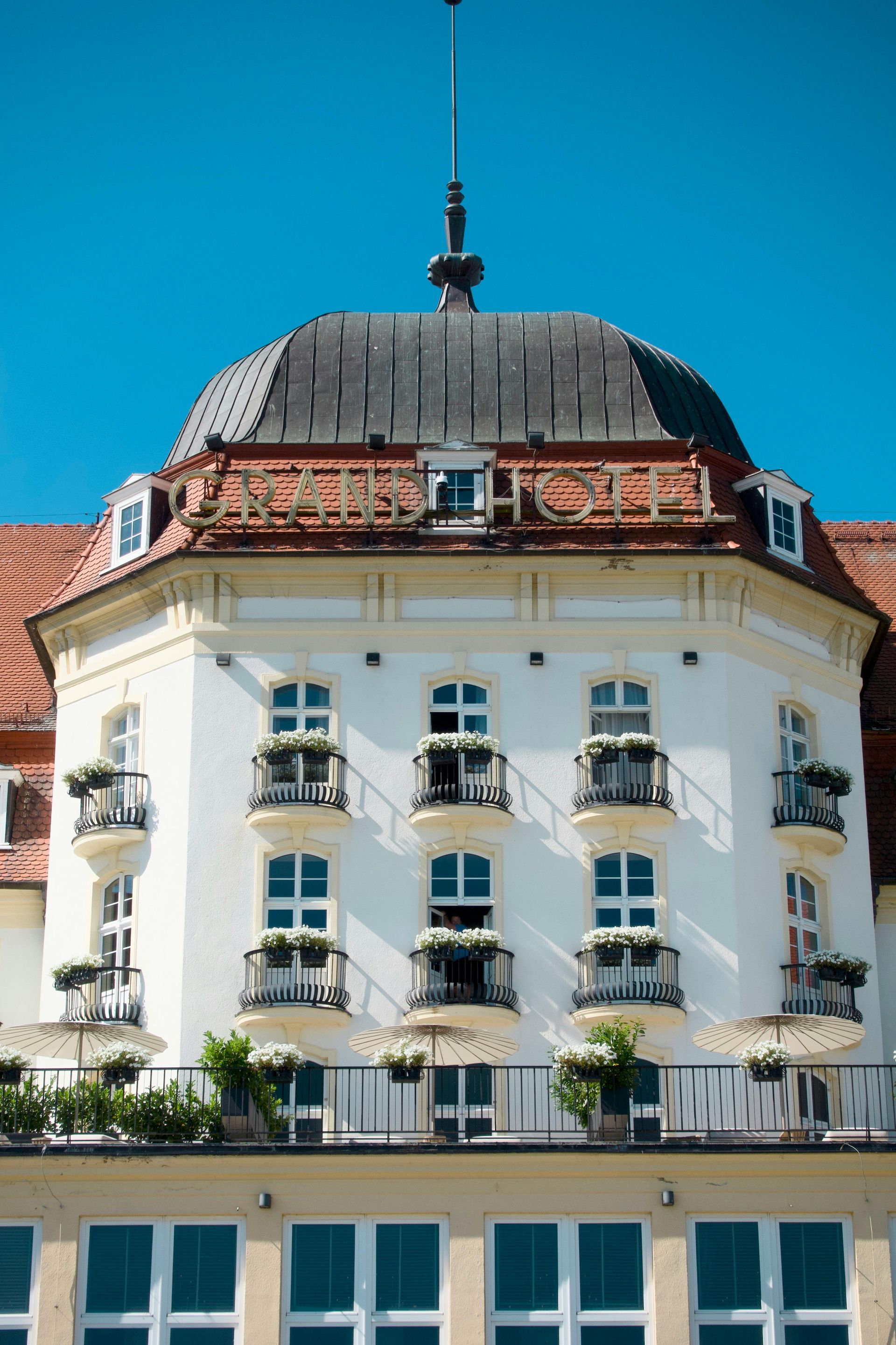
Plaster may seem like a small detail in construction, but it plays a huge role in durability, design, and overall building performance. The problem? Many property owners assume plaster is all the same when in fact, commercial and residential plastering are two very different worlds. If you’re in the Bay Area and planning a project whether it’s building a dream home in Los Gatos or upgrading a commercial property in San Francisco you need to understand these differences before making costly decisions. This guide will walk you through everything you need to know about choosing between commercial and residential plaster so you can make the right call for your property.
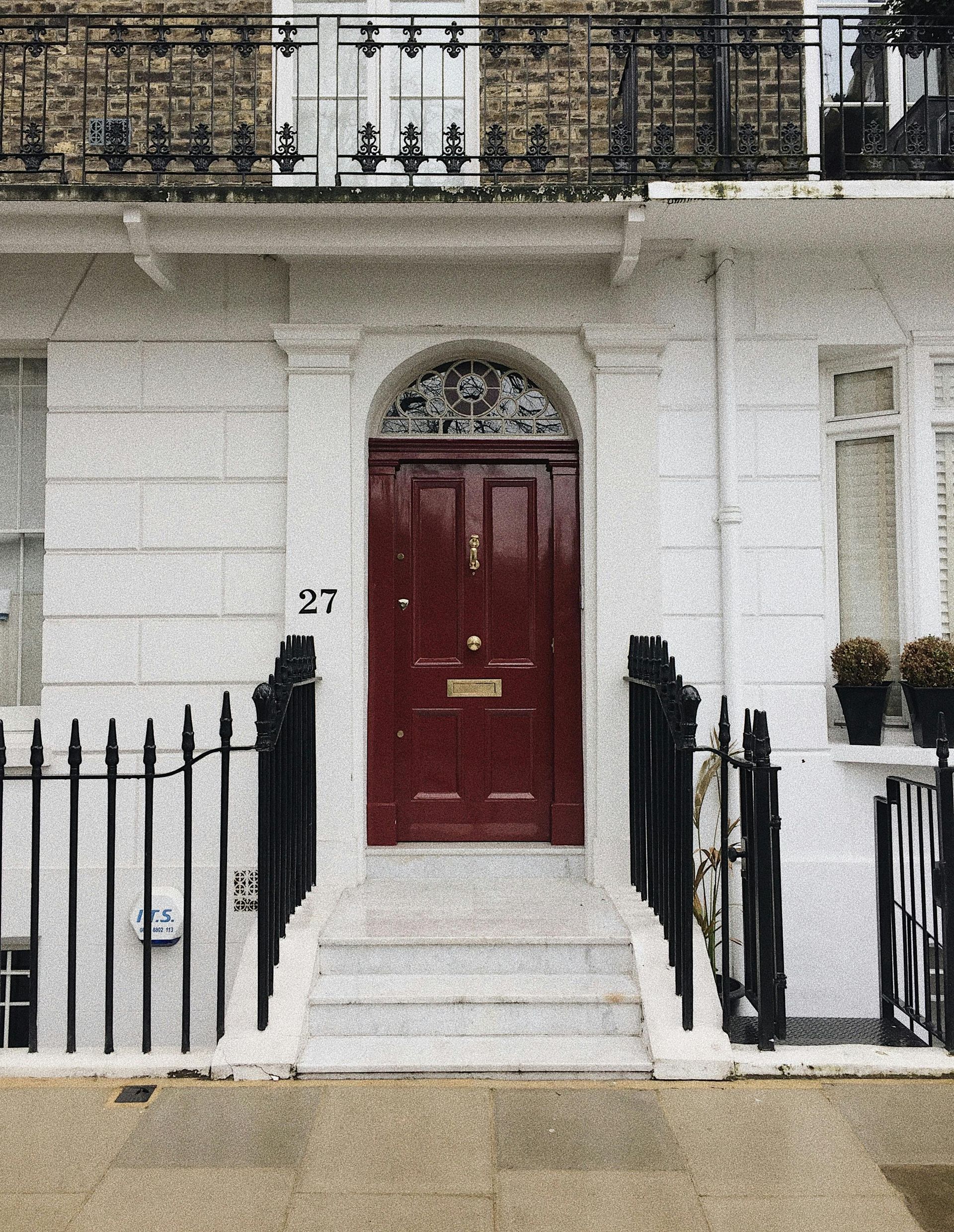
When most people hear “plaster,” they picture smooth white walls and ceilings. But in reality, plaster isn’t a one-size-fits-all material; it takes on very different roles depending on whether it’s used in a commercial building or a residential home. In the Bay Area, where architecture spans from sleek tech campuses to historic Victorians, the difference between commercial plastering and residential plastering goes far beyond looks. It’s about durability, design flexibility, compliance, and even how people experience a space. Let’s explore the stunning design differences between the two and why knowing them can make or break your next project.

If you walk through any Bay Area neighborhood, you’ll notice something interesting: buildings old and new often have one thing in common: plaster. From historic Victorians in San Francisco to modern office parks in San Jose, plaster has been a reliable finish for centuries. But here’s the thing: plaster today looks very different from plaster 50, 100, or even 500 years ago. Both commercial and residential plastering have evolved with changing needs, materials, and technology. Understanding how plastering has developed not only helps us appreciate its history, it also shows why it remains one of the most practical, durable, and beautiful finishes for buildings. Let’s take a quick trip through time and see how commercial and residential plaster have grown side by side.
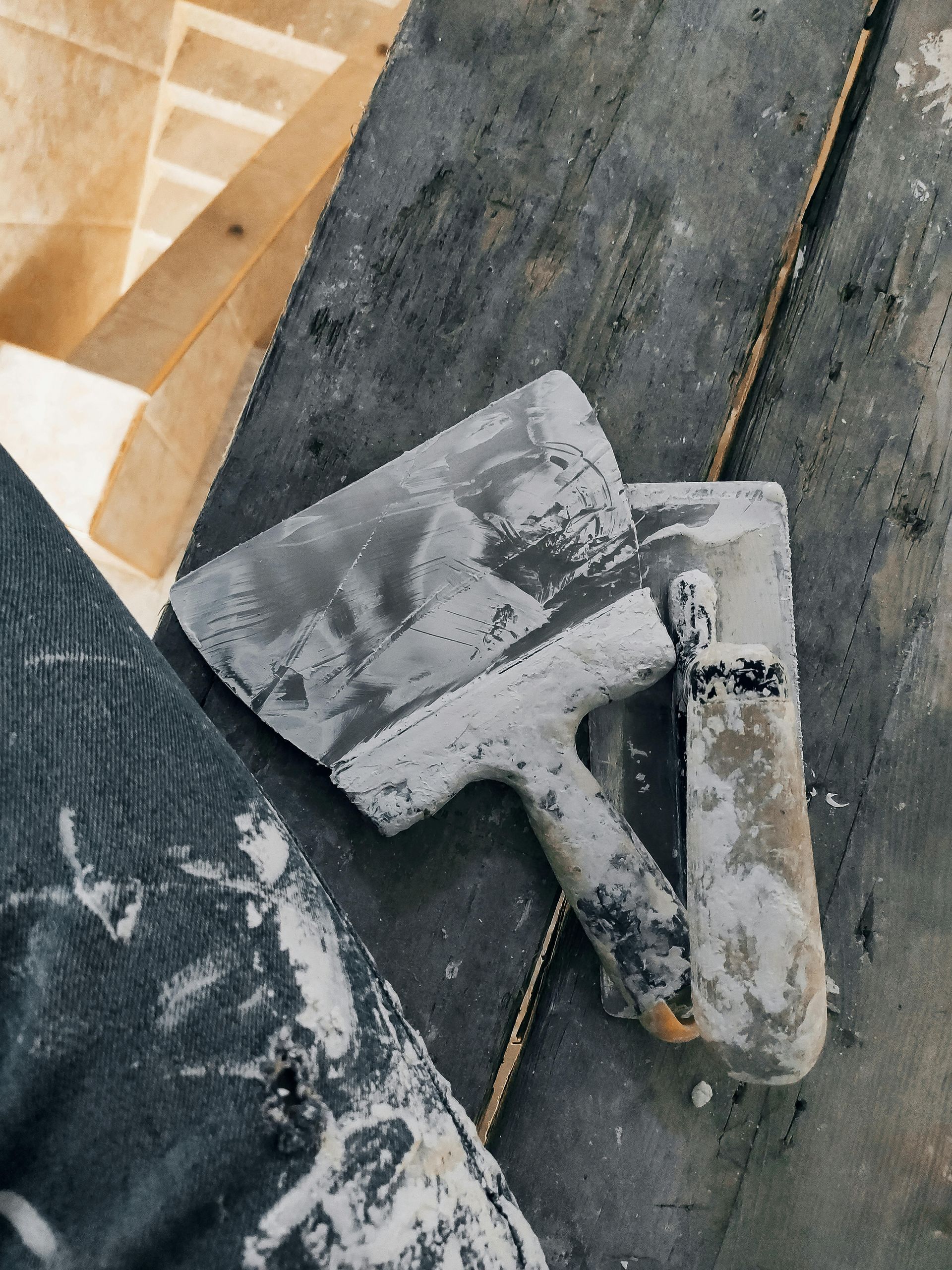
Walk around any city in the Bay Area, and you’ll see buildings that have stood for decades, many of them finished with plaster. From sleek office complexes to historic apartment buildings, plaster has always been a trusted material in construction. But like everything else in the industry, plastering isn’t standing still. Technology, sustainability, and design trends are reshaping the way walls and finishes are applied. If you’re a property manager, contractor, or developer, understanding where plastering is headed could help you make smarter investment decisions. So, what’s next for plastering? Let’s hear from the experts.
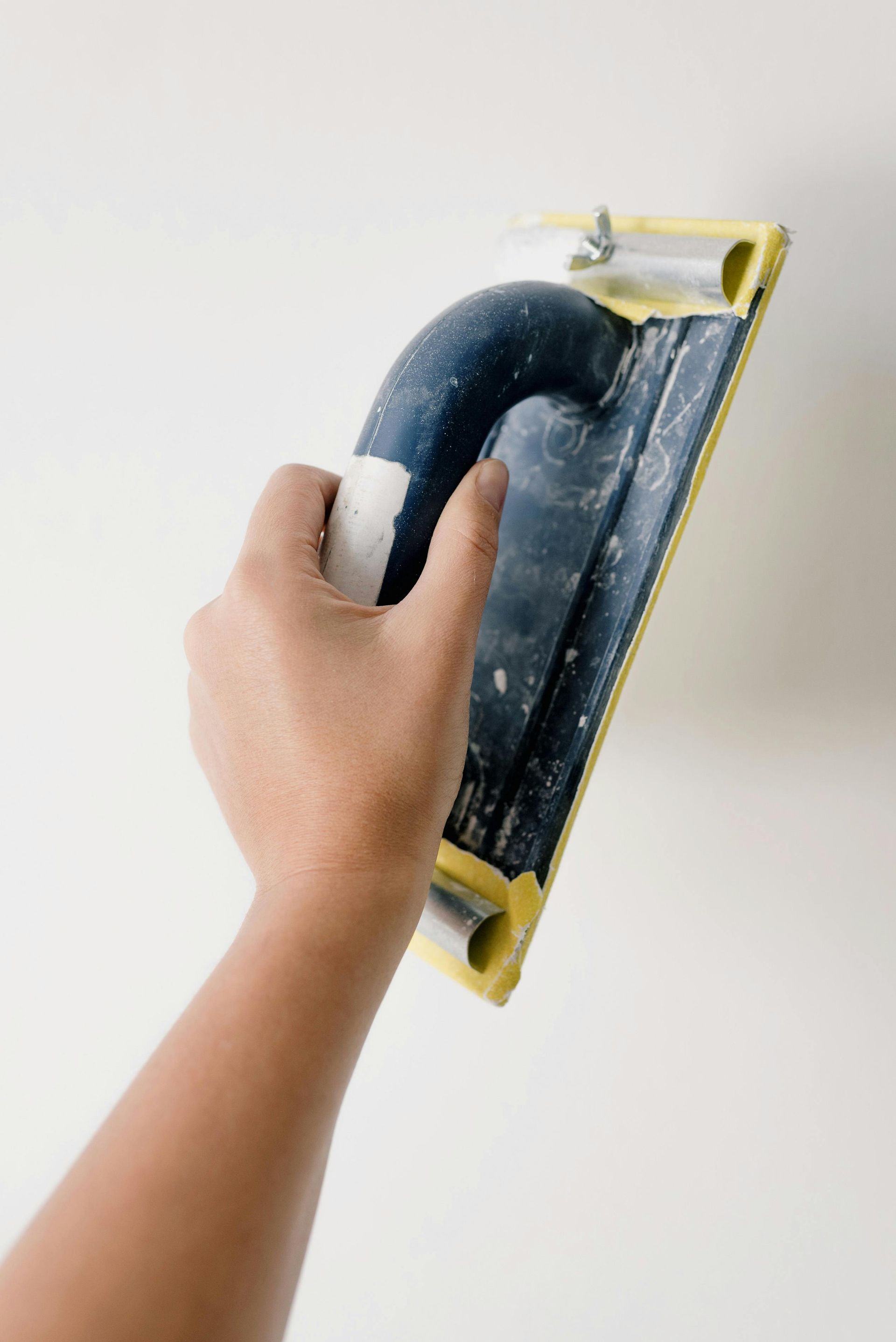
In today’s construction industry, certain trades get all the spotlight architects for their designs, contractors for the builds, and even painters for their finishing touches. But there’s one trade that quietly holds buildings together, protects them, and even saves owners money over time: commercial plastering. For many property managers and developers, plastering is either misunderstood, undervalued, or considered “just a cosmetic detail.” But here’s the untold truth: plastering plays a critical role in the strength, safety, and long-term performance of modern buildings. Let’s break down what most people don’t realize about plaster and why ignoring it could be one of the costliest mistakes in today’s construction industry.
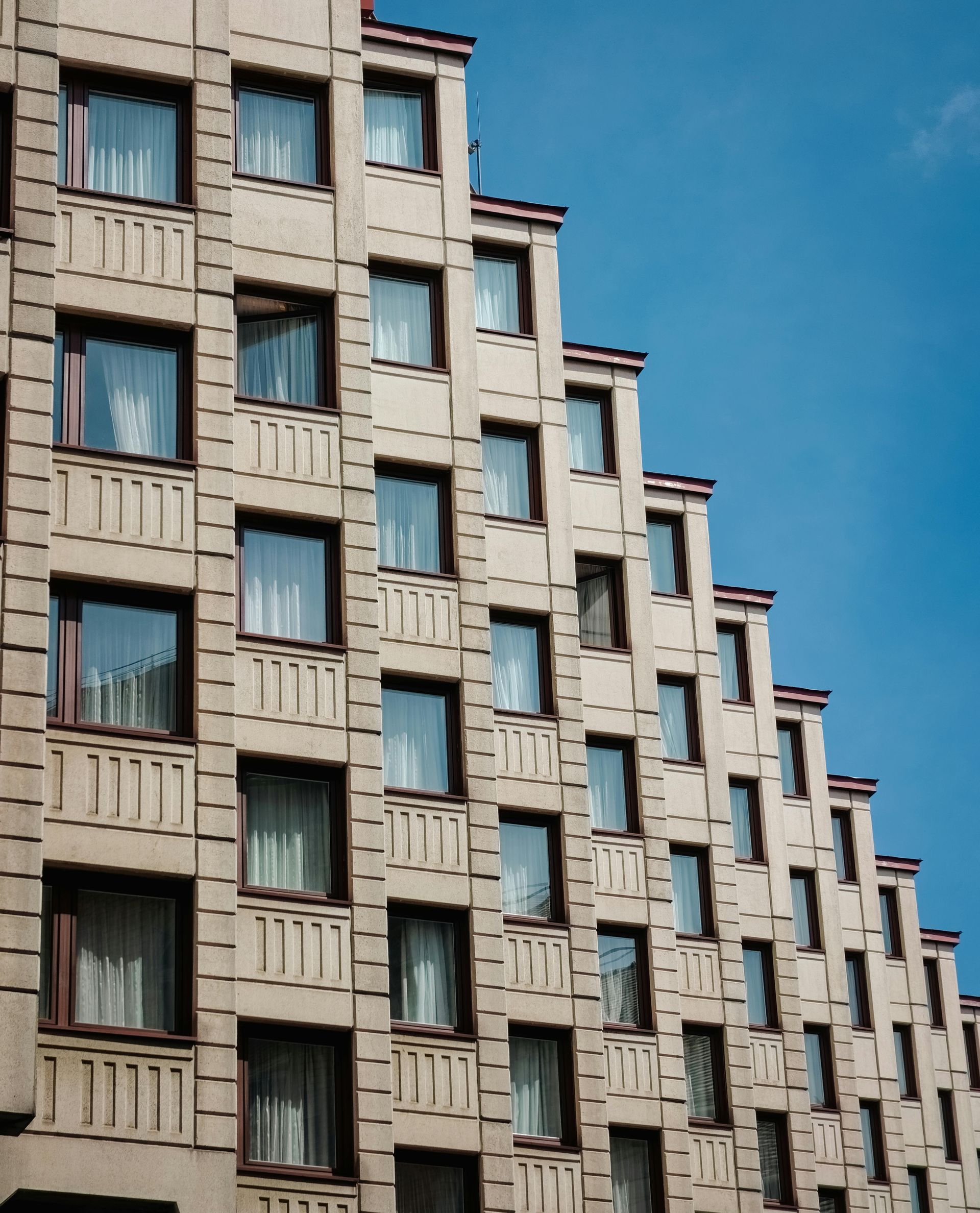
If you manage a commercial property in the Bay Area, you know maintenance costs add up fast. Between the rainy winters, salty coastal air, earthquakes, and just plain wear and tear from tenants, buildings take a beating here. The good news? Commercial plastering is one of the most cost-effective ways to protect your property and your budget. Most people think plaster is just about making walls look smooth and pretty. In reality, it’s a protective barrier that keeps damage out, strengthens structures, and saves you from writing massive repair checks down the road. Let’s dig into the biggest ways plastering can protect your building and your bottom line.
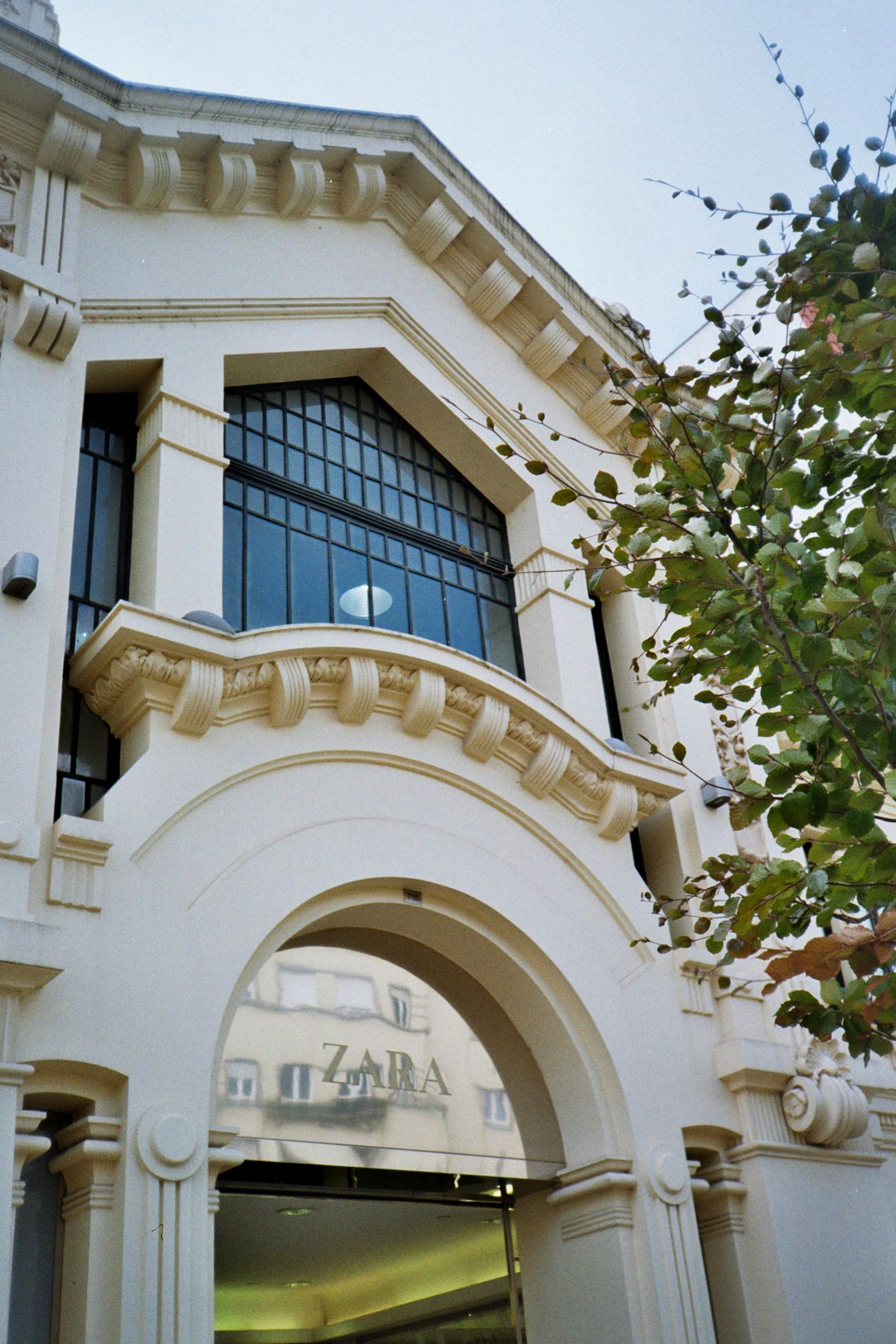
Let’s be honest: the words “commercial plastering” probably don’t get you excited. Most property managers hear it and think, “Isn’t that just some wall work contractors do?” But here in the Bay Area, plastering is one of those hidden essentials that keeps buildings looking sharp and standing strong. You might not notice it when it’s done right but when it’s ignored? Cracks, leaks, and tenant complaints pile up fast. So today, let’s strip away the jargon and explain commercial plastering as simply as possible. No fluff, no overcomplicated terms. Just the facts, explained like you’re five.
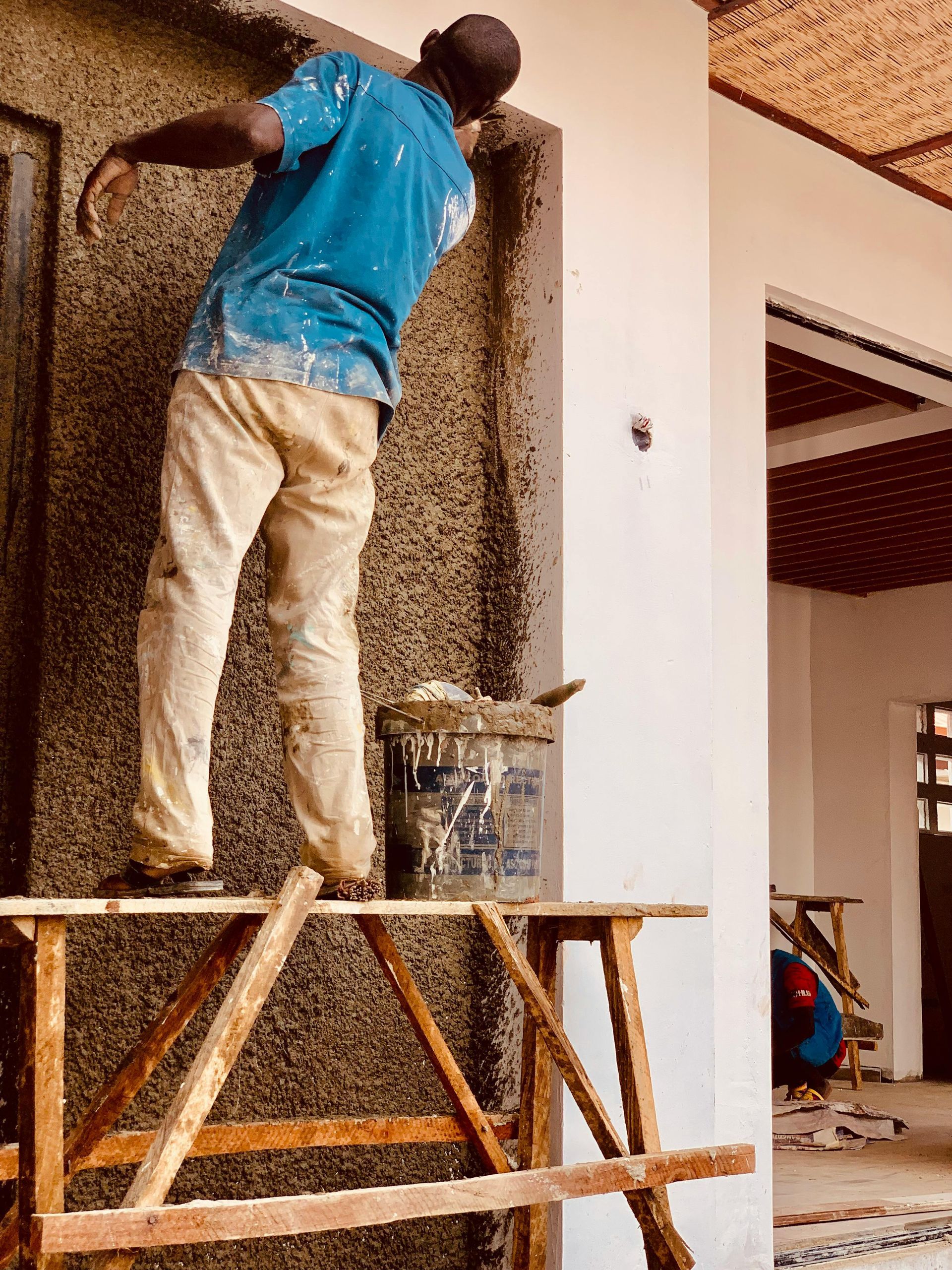
If you’re a property manager in the Bay Area, chances are you already juggle a lot of tenant requests, budgets, building maintenance, and keeping everything up to code. One thing that often gets overlooked? Commercial plastering. It may sound like a “cosmetic” detail, but plastering is about way more than looks. Done right, it protects your building, cuts down long-term costs, and makes your property look like the kind of place people actually want to lease or visit. In this article, we’ll break down what commercial plastering really is, why it matters, and how it can make your life as a property manager a whole lot easier.